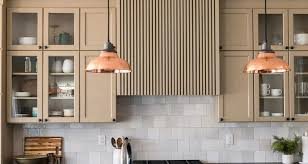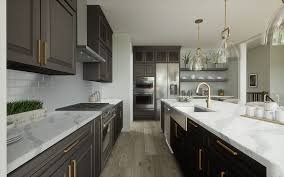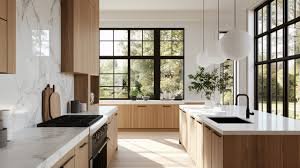







Small kitchens are a defining feature of many UK homes, particularly in older properties and urban flats. While limited space presents challenges, it also creates opportunities for innovative design. A well-planned small kitchen can be just as functional and stylish as a larger one, provided that every element is carefully considered.
Understanding the Challenges of Small UK Kitchens
British homes often have compact layouts due to historical architecture and urban density. Common issues include:
- Limited counter space
- Insufficient storage
- Poor natural lighting
- Narrow walkways
Addressing these challenges requires a combination of smart design principles and modern solutions.
The Importance of Layout
Galley Kitchens
A popular choice in UK homes, galley kitchens use two parallel walls to maximize efficiency. This layout works well in narrow spaces and supports a streamlined workflow.
L-Shaped Kitchens
Ideal for open-plan living, L-shaped kitchens make use of corner space and allow for better movement.
One-Wall Kitchens
Often found in studio flats, this layout consolidates all functions into a single wall, freeing up space for dining or living areas.
Choosing the right layout is the foundation of a successful small kitchen design.
Smart Storage Solutions
Storage is the most critical aspect of a small kitchen. Without proper planning, clutter can quickly take over.
Vertical Storage
Use wall-mounted cabinets that extend to the ceiling. This maximizes storage without increasing the kitchen’s footprint.
Pull-Out Systems
Pull-out pantry units, corner carousels, and drawer organizers ensure easy access to items and reduce wasted space.
Hidden Storage
Integrate storage into unexpected areas, such as under benches or within plinths.
Choosing the Right Appliances
Compact and multi-functional appliances are essential in small UK kitchens.
- Slimline dishwashers
- Combination microwave ovens
- Integrated fridge-freezers
These appliances save space while maintaining functionality.
Lighting and Colour Strategies
Lighting
Layered lighting is key. Combine task lighting under cabinets with ambient ceiling lights to create a bright and inviting space.
Colour Palette
Light colours such as white, cream, and soft grey can make a kitchen feel larger. Glossy finishes reflect light, enhancing the sense of space.
Mirrors and glass elements can also contribute to a more open feel.
Worktops and Surfaces
In small kitchens, every inch of worktop matters.
- Use foldable or extendable work surfaces
- Consider slim-profile materials
- Keep surfaces clutter-free
Quartz and compact laminate are popular choices in the UK due to their durability and low maintenance.
Flooring Considerations
Continuous flooring that extends into adjacent rooms can create the illusion of a larger space. Light wood or large-format tiles are effective options.
Common Design Mistakes
- Overcrowding the space with bulky furniture
- Ignoring vertical space
- Using dark colours excessively
- Poor lighting placement
Avoiding these mistakes can significantly improve both functionality and aesthetics.
Budget-Friendly Tips for UK Homeowners
- Repaint cabinets instead of replacing them
- Upgrade handles and fixtures for a modern look
- Install open shelving for a cost-effective storage solution
- Use adhesive splashbacks for a quick refresh
These small changes can have a big impact without requiring a full renovation.
Final Thoughts
Designing a small kitchen in the UK requires creativity, precision, and a clear understanding of spatial limitations. By focusing on smart layouts, efficient storage, and thoughtful design choices, homeowners can transform even the smallest kitchen into a highly functional and visually appealing space.