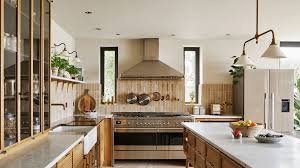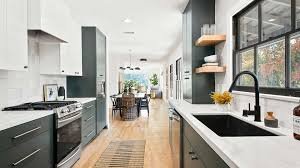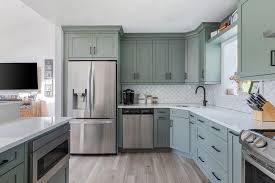
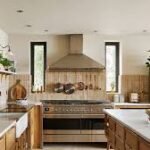
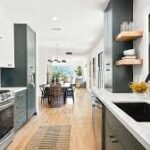

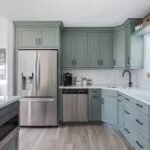

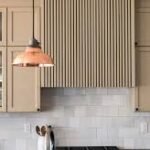
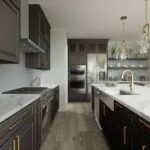
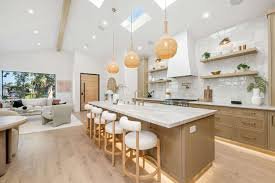
Open-plan kitchens have become one of the most desirable features in modern UK homes. By combining cooking, dining, and living areas into a single cohesive space, homeowners can create a more social and flexible environment. However, designing an open-plan kitchen requires careful planning to balance functionality, aesthetics, and privacy.
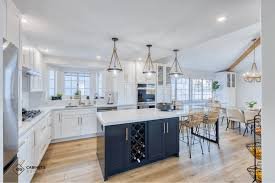
Why Open-Plan Kitchens Are Popular in the UK
The shift toward open-plan living reflects changing lifestyles.
- Increased social interaction within the home
- Better use of limited space
- Improved natural light distribution
- Greater flexibility for modern living
In UK homes, particularly in urban areas, open-plan layouts can make smaller properties feel significantly larger.
Key Design Principles
Zoning the Space
Even without walls, it is important to define different functional areas.
- Cooking zone
- Dining area
- Living space
This can be achieved through furniture placement, lighting, and flooring variations.
Maintaining Workflow Efficiency
The kitchen area must still function effectively.
- Keep the work triangle efficient
- Ensure easy access to appliances
- Avoid obstructing movement paths
A well-planned layout prevents the space from becoming chaotic.
The Role of Kitchen Islands
Kitchen islands are central to open-plan design.
- Provide additional workspace
- Act as a visual divider
- Offer seating for social interaction
In UK homes, islands are often designed to include storage and integrated appliances.
Managing Noise and Smells
One of the biggest challenges in open-plan kitchens is controlling noise and cooking odours.
Ventilation
High-quality extractor fans are essential to maintain air quality.
Acoustic Solutions
Soft furnishings, rugs, and acoustic panels can help reduce noise levels.
Lighting Design
Lighting plays a crucial role in defining zones and creating atmosphere.
- Task lighting in the kitchen area
- Ambient lighting in living spaces
- Feature lighting to enhance design
Layered lighting ensures both functionality and comfort.
Storage and Organisation
Clutter is more visible in open-plan spaces, making storage essential.
- Use hidden storage solutions
- Keep worktops clear
- Incorporate built-in units
A clean and organised kitchen contributes to a cohesive look.
Privacy Considerations
While open-plan living is appealing, some level of privacy may still be needed.
- Use partial dividers such as glass panels or shelving
- Consider sliding doors for flexibility
- Position seating areas away from cooking zones
This allows homeowners to adapt the space as needed.
Colour and Material Consistency
Consistency is key to achieving a unified design.
- Use a cohesive colour palette
- Match materials across different zones
- Avoid abrupt transitions
This creates a seamless flow throughout the space.
Common Mistakes to Avoid
- Poor zoning leading to cluttered spaces
- Inadequate ventilation
- Ignoring acoustics
- Overloading the design with conflicting styles
Avoiding these mistakes ensures a more functional and visually appealing result.
Final Thoughts
Open-plan kitchen design offers significant benefits for UK homeowners, but it requires careful planning to succeed. By focusing on zoning, workflow, and cohesive design, it is possible to create a space that is both practical and inviting. As modern living continues to evolve, open-plan kitchens will remain a key feature in UK homes.