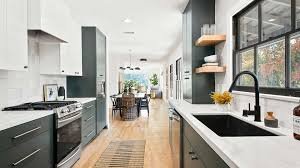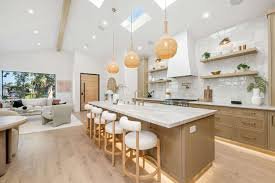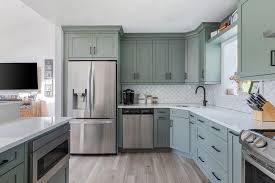






Lighting is one of the most overlooked yet critical elements of kitchen design in the UK. A well-lit kitchen improves functionality, enhances safety, and creates a welcoming atmosphere. With limited natural light in many UK homes, especially during winter months, artificial lighting plays an essential role.
Why Kitchen Lighting Matters
Effective lighting transforms how a kitchen looks and functions.
- Improves visibility for cooking and preparation
- Enhances mood and ambience
- Highlights design features
- Increases safety
Poor lighting can make even the most well-designed kitchen feel uninviting.
Types of Kitchen Lighting
Ambient Lighting
This is the main source of light in the kitchen, usually provided by ceiling fixtures.
- Recessed lights
- Ceiling-mounted fixtures
- LED panels
Ambient lighting ensures overall visibility.
Task Lighting
Task lighting focuses on specific work areas.
- Under-cabinet lighting
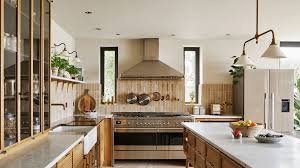
- Pendant lights over worktops
- Spotlights for cooking zones
This type of lighting is essential for safe and efficient food preparation.
Accent Lighting
Accent lighting highlights design features and adds depth.
- LED strips inside cabinets
- Lighting for shelves or splashbacks
- Feature lighting for decorative elements
This creates a more dynamic and visually interesting space.
Lighting Design Strategies for UK Homes
Layered Lighting
Combining different types of lighting ensures flexibility and balance.
Maximising Natural Light
Where possible, increase natural light through window placement and reflective surfaces.
Smart Lighting Systems
Smart lighting allows homeowners to adjust brightness and colour temperature based on time of day or activity.
Choosing the Right Fixtures
Lighting fixtures should complement the overall kitchen design.
- Sleek, modern fixtures for contemporary kitchens
- Decorative pendants for feature areas
- Minimalist designs for small spaces
The right fixtures enhance both style and functionality.
Energy Efficiency
Energy-efficient lighting is essential in the UK.
- Use LED bulbs for lower energy consumption
- Install dimmers to control usage
- Consider motion sensors for convenience
These solutions reduce energy costs and environmental impact.
Lighting for Small Kitchens
Small kitchens require special attention.
- Use bright, even lighting to avoid shadows
- Install under-cabinet lights to maximise workspace visibility
- Avoid bulky fixtures that take up visual space
Proper lighting can make a small kitchen feel larger and more open.
Colour Temperature and Mood
Lighting colour temperature affects the atmosphere.
- Warm light for a cosy feel
- Cool light for task-oriented areas
- Adjustable lighting for flexibility
Balancing colour temperature enhances comfort and usability.
Common Lighting Mistakes
- Relying on a single light source
- Poor placement of fixtures
- Ignoring task lighting
- Choosing style over functionality
Avoiding these mistakes improves both design and practicality.
Budget-Friendly Lighting Upgrades
- Replace old bulbs with LED alternatives
- Add under-cabinet lighting
- Install dimmer switches
- Update fixtures for a modern look
These upgrades can significantly improve lighting without major costs.
Final Thoughts
Modern kitchen lighting design in the UK is about more than illumination—it is about creating a space that is functional, efficient, and inviting. By combining different lighting types, choosing appropriate fixtures, and focusing on energy efficiency, homeowners can transform their kitchens into well-lit, versatile environments that support everyday living.