





Sustainability is no longer a niche concern in the UK housing market—it is a priority. With increasing awareness of environmental impact, stricter building regulations, and rising energy costs, eco-friendly kitchen design has become a central focus for homeowners and developers alike. A sustainable kitchen is not just about reducing environmental harm; it is also about creating a healthier, more efficient living space.
Why Sustainability Matters in UK Kitchens
The UK government continues to push toward net-zero carbon targets, and residential properties play a significant role in achieving these goals. Kitchens, as high-energy-use areas, present an opportunity for meaningful change.
Eco-friendly kitchens help to:
- Reduce energy and water consumption
- Lower utility bills
- Improve indoor air quality
- Increase property value
For UK homeowners, sustainability is both a practical and ethical investment.
Sustainable Materials for Kitchen Design
Recycled and Reclaimed Materials
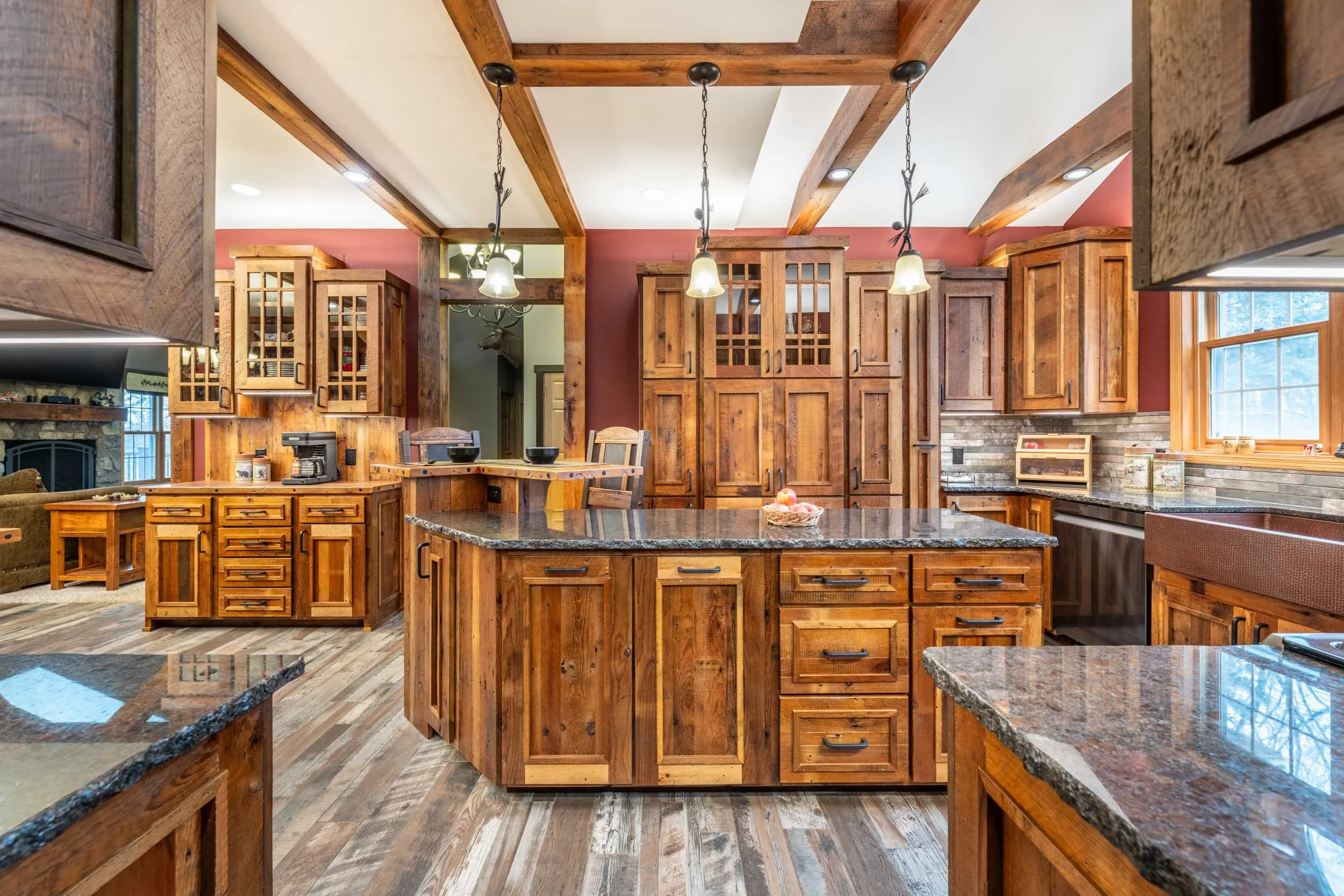
Using recycled materials such as reclaimed wood or recycled glass worktops reduces waste and minimizes environmental impact. These materials also add unique character to kitchen spaces.
FSC-Certified Wood
Cabinetry made from FSC-certified timber ensures that the wood has been sourced responsibly. This is increasingly important in the UK market, where consumers are more environmentally conscious.
Low-VOC Finishes
Paints, adhesives, and finishes that emit low levels of volatile organic compounds (VOCs) improve indoor air quality, which is especially beneficial in enclosed kitchen spaces.
Durable Worktops
Materials like quartz and solid surface are long-lasting, reducing the need for frequent replacement and lowering long-term waste.
Energy-Efficient Appliances
Energy-efficient appliances are a cornerstone of eco-friendly kitchens.
A-Rated Appliances
In the UK, appliances are rated based on energy efficiency. Choosing A-rated or higher appliances ensures lower energy consumption.
Induction Hobs
Induction cooking is more energy-efficient than gas or traditional electric hobs. It also provides faster heating and greater control.
Smart Energy Management
Smart appliances can optimize energy use by operating during off-peak hours or adjusting performance based on demand.
Water Conservation Strategies
Water usage is another critical aspect of sustainable kitchen design.
- Install aerated taps to reduce water flow without affecting pressure
- Use water-efficient dishwashers
- Consider boiling water taps that reduce waste
These solutions are particularly relevant in areas of the UK where water conservation is a growing concern.
Waste Reduction and Recycling
A well-designed eco kitchen makes recycling easy and efficient.
Built-In Recycling Units
Integrated bins for separating waste encourage consistent recycling habits.
Composting Solutions
For households with gardens, composting food waste can significantly reduce landfill contributions.
Minimising Packaging Waste
Storage solutions that support bulk buying and reusable containers help reduce reliance on single-use packaging.
Lighting and Energy Use
Lighting plays a key role in both functionality and energy consumption.
- Use LED lighting for lower energy use and longer lifespan
- Maximise natural light through layout and window design
- Install motion sensors to reduce unnecessary usage
These small changes can have a significant cumulative impact.
Designing for Longevity
Sustainability is not just about materials—it is about designing kitchens that last.
- Choose timeless styles rather than short-lived trends
- Invest in high-quality fittings and fixtures
- Plan layouts that can adapt to future needs
A kitchen that does not need frequent renovation is inherently more sustainable.
Cost vs Long-Term Savings
While eco-friendly kitchens may involve higher upfront costs, they offer long-term financial benefits through reduced energy bills and maintenance costs. In the UK property market, sustainability features are increasingly attractive to buyers.
Final Thoughts
Eco-friendly kitchen design is a smart and forward-thinking approach for UK homeowners. By combining sustainable materials, energy-efficient appliances, and thoughtful design, it is possible to create kitchens that are both environmentally responsible and highly functional. As sustainability continues to shape the housing market, investing in an eco kitchen is not just a trend—it is a necessity.