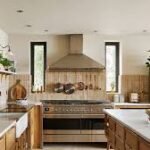
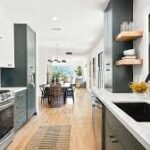

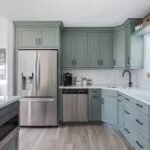

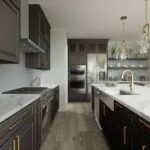
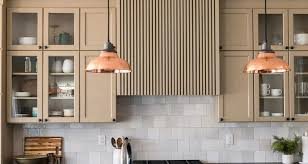
The UK rental market is highly competitive, and landlords are under increasing pressure to provide attractive, functional properties while maintaining profitability. The kitchen is one of the most influential areas when it comes to tenant satisfaction and property value. A well-designed kitchen can justify higher rents, reduce vacancy periods, and minimise long-term maintenance costs.
Why Kitchens Matter in Rental Properties
For tenants, the kitchen is more than just a functional space—it is a key factor in choosing a property. In cities like London, Birmingham, and Leeds, where rental demand is high, a modern, well-maintained kitchen can make a property stand out instantly.
Landlords benefit from:
- Higher rental yields
- Longer tenant retention
- Reduced repair costs
- Increased property value
Key Principles of Rental Kitchen Design
Durability Over Luxury
Unlike owner-occupied homes, rental kitchens must prioritise durability. Materials should withstand heavy use without frequent repairs.
- Laminate worktops instead of marble
- Scratch-resistant cabinet finishes
- Hard-wearing flooring such as vinyl or ceramic tiles
Cost-Effective Aesthetics
A kitchen does not need to be expensive to look appealing. Neutral colours, clean lines, and modern fixtures can create a fresh and attractive space at a reasonable cost.
Easy Maintenance
Choose materials and finishes that are easy to clean and resistant to stains, moisture, and wear.
Layout Considerations
Space is often limited in UK rental properties, particularly in flats and terraced houses. Efficient layouts are essential.
Compact and Functional Design
Keep the layout simple and practical. Avoid unnecessary features that may complicate maintenance.
Open-Plan Kitchens
Where possible, integrating the kitchen with living areas can make the space feel larger and more modern, which is highly appealing to tenants.
Appliance Selection
Appliances should strike a balance between affordability and reliability.
- Choose mid-range, energy-efficient appliances
- Avoid overly complex or high-tech systems that may confuse tenants
- Ensure appliances are easy to repair or replace
Integrated appliances can improve aesthetics but may increase replacement costs, so consider this carefully.
Storage Solutions
Adequate storage is essential for tenant satisfaction.
- Install sufficient cabinets and drawers
- Use vertical space efficiently
- Include practical solutions like pull-out bins
Tenants value functionality over design gimmicks.
Lighting and Ventilation
Lighting
Good lighting improves usability and makes the kitchen more inviting. Combine overhead lighting with under-cabinet options.
Ventilation
Proper extraction is crucial to prevent moisture damage and maintain air quality, especially in smaller UK properties.
Compliance with UK Regulations
Landlords must ensure kitchens meet safety and legal standards.
- Electrical safety compliance
- Proper ventilation systems
- Fire safety measures
Failing to meet these requirements can result in legal issues and financial penalties.
Budgeting and ROI
A well-planned rental kitchen should be viewed as an investment.
- Focus on long-term durability rather than short-term savings
- Avoid over-investing in luxury features that do not increase rent significantly
- Prioritise upgrades that improve tenant experience
Common Mistakes to Avoid
- Using low-quality materials that require frequent replacement
- Overdesigning the kitchen with unnecessary features
- Ignoring tenant needs and preferences
- Poor layout planning
Avoiding these mistakes can significantly improve profitability.
Final Thoughts
Designing kitchens for UK rental properties requires a strategic approach. By focusing on durability, functionality, and cost-efficiency, landlords can create kitchens that attract tenants and deliver strong returns. A well-designed rental kitchen is not just an expense—it is a key driver of long-term success in the property market.