






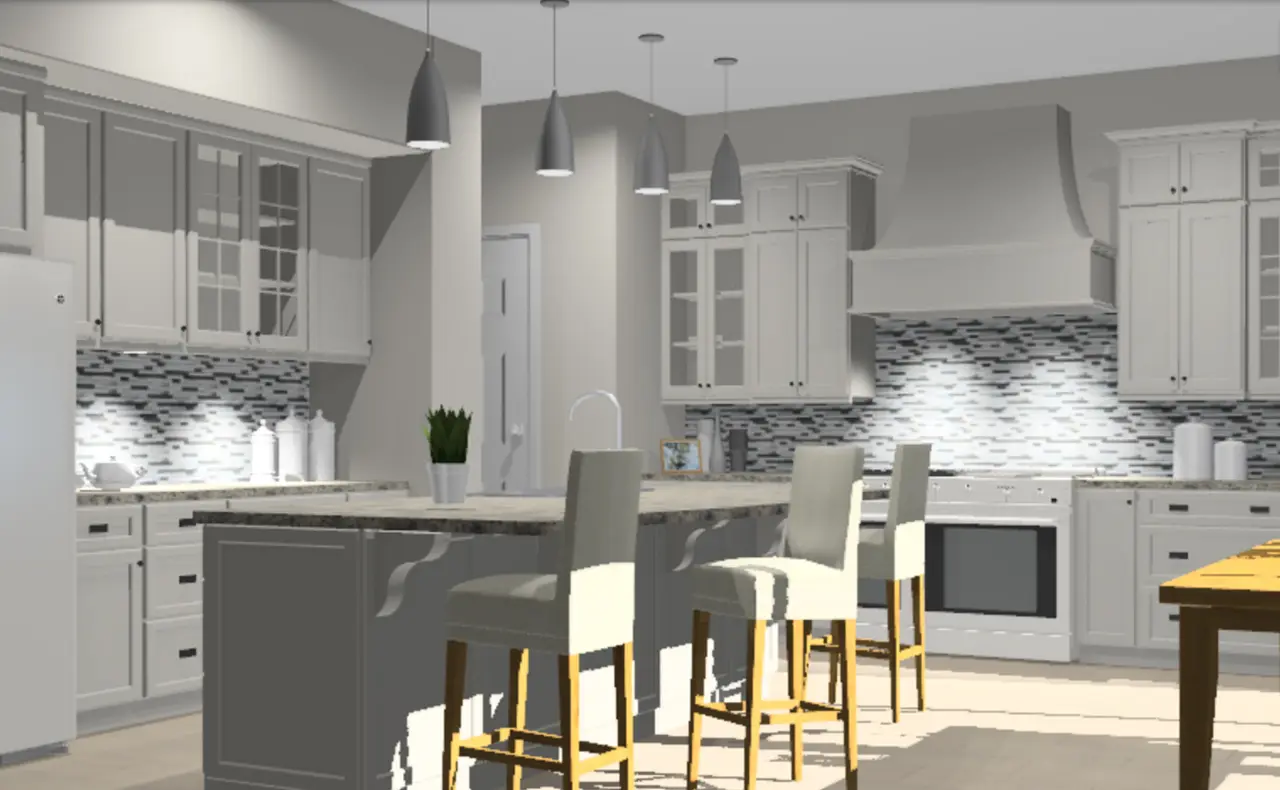
The concept of the kitchen has evolved dramatically in the UK over the past decade. Once considered purely functional, today’s kitchens are intelligent, connected, and central to the home’s identity. The rise of smart kitchens reflects broader lifestyle changes, including remote working, sustainability awareness, and the integration of technology into everyday life. For homeowners, developers, and renovators, understanding how to design a smart kitchen is no longer optional—it is essential.
What Defines a Smart Kitchen?
A smart kitchen integrates technology, automation, and thoughtful design to enhance usability and efficiency. This includes connected appliances, sensor-based lighting, voice-controlled systems, and energy-efficient layouts. In the UK, where space constraints and energy costs are significant concerns, smart kitchens offer both practicality and long-term value.
Key features include:
- Wi-Fi-enabled appliances
- Smart lighting systems
- Voice assistant integration
- Automated temperature and ventilation controls
- Energy monitoring systems
These elements work together to create a seamless cooking and living experience.
Why Smart Kitchens Are Gaining Popularity in the UK
Several factors are driving adoption across British households:
1. Energy Efficiency and Sustainability
With rising energy prices in the UK, homeowners are increasingly focused on reducing consumption. Smart appliances can optimize energy usage by running during off-peak hours or adjusting performance based on usage patterns.
2. Space Optimization
Urban homes, particularly in cities like London and Manchester, often have limited kitchen space. Smart storage solutions, foldable surfaces, and multi-functional appliances allow homeowners to maximize every square metre.
3. Lifestyle Changes
The shift toward hybrid working means kitchens now double as social and workspaces. Smart kitchens support this by offering adaptable lighting, noise control, and integrated tech.
Essential Components of a Smart Kitchen
Connected Appliances
Modern ovens, refrigerators, and dishwashers can be controlled remotely via smartphone apps. For example, you can preheat your oven on your commute home or receive alerts when groceries are running low.
Smart Lighting
Layered lighting is crucial in UK kitchens where natural light may be limited. Smart lighting systems allow users to adjust brightness and colour temperature depending on the time of day or activity.
Intelligent Storage Solutions
Pull-out cabinets, motorized shelves, and corner optimizers ensure efficient use of space. These are especially valuable in compact UK homes.
Voice and Automation Integration
Voice assistants can control appliances, set timers, and even guide cooking processes. This hands-free functionality is particularly useful during meal preparation.
Designing a Smart Kitchen: Key Considerations
Layout Planning
The traditional kitchen triangle (sink, stove, refrigerator) still applies, but it must now accommodate technology. Ensure power sources and connectivity are strategically placed.
Connectivity Infrastructure
Reliable Wi-Fi is essential. Consider installing mesh networks to ensure full coverage, especially in larger homes.
Sustainability Materials
Use eco-friendly materials such as recycled worktops, FSC-certified cabinetry, and low-VOC paints to align with UK environmental standards.
Future-Proofing
Technology evolves rapidly. Choose systems that can be updated or expanded without requiring major renovations.
Cost vs Value in the UK Market
Smart kitchens can require a higher upfront investment, but they offer long-term savings through energy efficiency and increased property value. In competitive UK housing markets, a well-designed smart kitchen can significantly enhance resale appeal.
Common Mistakes to Avoid
- Overloading with unnecessary technology
- Ignoring user experience in favour of aesthetics
- Poor Wi-Fi planning
- Choosing incompatible systems
A successful smart kitchen balances innovation with practicality.
Final Thoughts
Smart kitchens are not just a trend—they represent the future of home living in the UK. By combining technology, sustainability, and thoughtful design, homeowners can create spaces that are efficient, adaptable, and enjoyable. For developers and renovators, investing in smart kitchen design is a strategic decision that aligns with modern expectations and long-term value.